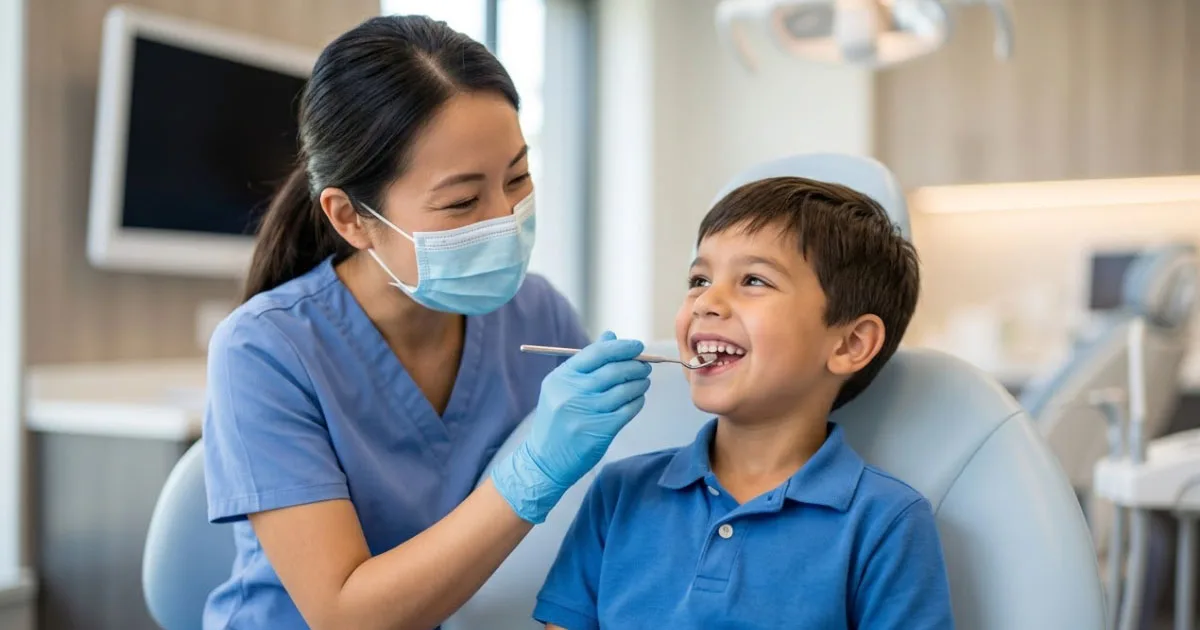

Choosing between clear aligners and braces is one of the first decisions people face when they want straighter teeth. Both can move teeth effectively, but they feel very different to live with day to day. This guide compares Invisalign and braces side by side, so you can go into your consultation with a clearer idea of what matters to you.
What Is the Main Difference Between Invisalign and Braces?
The biggest difference is that Invisalign is removable and braces are fixed.
Invisalign uses a series of clear plastic aligners that fit over your teeth. You take them out to eat and brush, and wear them for 20 to 22 hours a day.
Braces use brackets bonded to the teeth and a wire that runs through them. They stay on for the whole treatment, and your dentist adjusts them at regular visits. At Pallx Dental, braces treatment uses self-ligating braces, which hold the wire with a built-in clip or door instead of elastic ties around each bracket.
| Invisalign | Braces | |
|---|---|---|
| Appearance | Clear and hard to notice | Visible brackets and wire |
| Removable | Yes | No |
| Eating | Remove aligners to eat | Avoid hard, sticky and chewy foods |
| Cleaning | Brush and floss as usual | Takes extra care around brackets |
| Relies on daily wear | Yes, 20 to 22 hours a day | No, they stay on |
| Range of cases | Mild to moderate alignment concerns | A wider range, including more complex bites |
How Does Each Option Affect Your Daily Life?
Eating: With Invisalign, there are no food restrictions because the aligners come out at meals. With braces, it is best to avoid hard, sticky or very chewy foods, such as nuts, ice and caramel, which can loosen brackets or bend wires.
Cleaning: Aligners let you brush and floss normally. Braces take more time to clean, because food can collect around the brackets and wire.
Discipline: Invisalign only works if you wear the aligners for most of the day and put them back in after every meal. Braces work continuously, which some people find easier because there is nothing to remember.
Appearance: Clear aligners are less noticeable, which some adults and teenagers prefer. Others are comfortable with visible braces and prefer not to manage removable trays.
Who Is Each Option Suitable For?
Invisalign may suit you if you:
- Have mild to moderate crowding, spacing or bite concerns
- Prefer a discreet option for work, school or social settings
- Are confident you can wear the aligners consistently
Braces may suit you if you:
- Have more complex tooth or bite problems
- Would rather not be responsible for removing and wearing trays
- Want a fixed option that works continuously
These are general guides only. The type of tooth movement you need is often the deciding factor, so a clinical assessment is the only reliable way to know which option is suitable.
How Long Does Treatment Usually Take?
Treatment time depends on how much your teeth need to move, rather than on the type of appliance alone. Braces treatment commonly takes around one to two years, while more complex cases, such as those involving bite problems or tooth extraction, can take longer.
Invisalign timelines also vary from case to case. How consistently you wear the aligners has a direct effect on whether treatment stays on track. Your dentist can give you an estimate once your digital treatment plan is ready.
Both options are followed by retainers, which help hold the teeth in their new positions.
How Much Do Invisalign and Braces Cost?
There is no single price for either option, because the cost depends on:
- How complex your case is
- How long treatment is expected to take
- The type of system used
- The number of aligners or follow-up visits needed
Because every mouth is different, the most accurate way to compare costs is to have your teeth assessed first. A dental consultation gives you a personalised plan, an estimated timeline and the expected fees, so you can compare options based on your own case.
Which Dental Clinic in Johor Bahru Offers Both Invisalign and Braces?
At Pallx Dental in Taman Abad, we offer both options, so you can compare them with the same team before deciding.
- Invisalign in Johor Bahru: We achieved Invisalign Diamond Provider status in 2025, following Platinum in 2023 and Platinum Elite in 2024. Provider tiers are set by Align Technology based on the number of Invisalign cases a provider treats.
- Self-ligating braces: We use the Damon and SIA systems for patients who need or prefer a fixed option.
- Orthodontic training: Our founder, Dr. Dhaleekkha, holds a Postgraduate Diploma in Orthodontics and leads a clinical team that includes two certified Invisalign providers.
- Digital planning: We use iTero 5D scanning to support Invisalign assessment and treatment planning.
Not Sure Which Option Is Right for You?
The right choice depends on your teeth, your daily routine and your budget. If you are weighing up Invisalign treatment against braces, you can book a consultation with us to have your teeth assessed and discuss both options with our team.